Broken and Inefficient Water Systems (Irrigation & Water Use Efficiency)
Problem Statement
Irrigation is a high-cost component of farming. Inefficient water application (flood irrigation) leads to excessive water consumption, ground-water depletion, and reduced farm sustainability. Traditional canal systems often suffer from poor distribution equity and management.
Crop Focus :
All crops
Gravity :
High
Innovation Opportunities
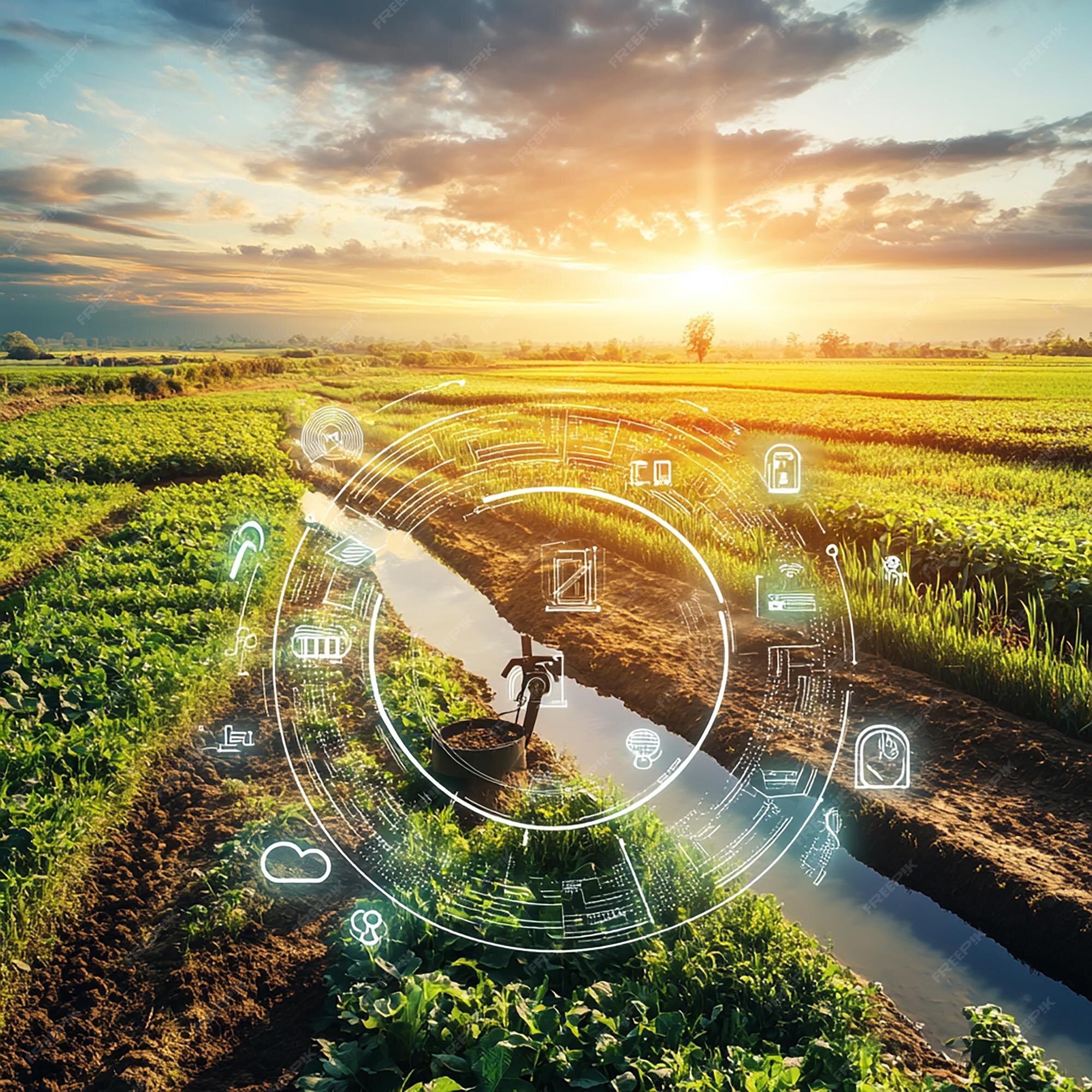
- Water Budgeting and Smart Irrigation Systems: Low-cost, IoT-enabled soil moisture and micro-climate sensors coupled with AI-driven models to calculate the exact water requirement of the crop (precision irrigation scheduling).
- Digital Water User Association (WUA) Platforms: Community-focused digital platforms for equitable distribution of canal water, real-time tracking of water availability, and management of WUA finances and resources.
- Canal and Water-Body Networking Tools: Satellite- or drone-based monitoring of irrigation infrastructure (canals, check dams) for leakage detection, siltation assessment, and planning of maintenance activities.
Use Case Example
A farmer uses a smart irrigation controller that pulls data from soil sensors and weather forecasts. Instead of irrigating for a fixed time, the system delivers only the deficit water volume required for that day, saving 30% water.